The Bouncing Souls really turned a corner in 1999, writing a fun album full of charm. Their fourth record, which came out, put the band on the map further with an eclectic blend of punk and pop, with a focus on having fun. The band even admitted to writing silly songs for this record and put on their fun hats to deliver a blast of comedy alongside more serious matters. The band would release this record on Epitaph and join a lineup of bands that were getting a lot of attention at the time. “Hopeless Romantic” is easily accessible by any fan of alternative music, with a nod to punk along the way.
You don’t need to know the history of punk or be hardcore to enjoy the offerings that come across in 13 songs from “Hopeless Romantic”. The band really put together a good mix of tracks, 13 in total, on the release and focuses on sing-along style vocals, including the mighty “Ole”, “Kid”, and “Night on Earth”. That, of course, comes with the title track “Hopeless Romantic” and much more. Even though we are far removed from 1999, you can’t deny the power of this record, and the nod to punk and pop, all mixed into one good-sounding record.
In 1994, a lot of punk started to get attention. This included bands that have become staples of alternative rock, like Green Day. Mxpx also released a record in 1994, their studio debut for Tooth and Nail Records. The record was named “Pokinatcha”, and it was the first record for a band that would become heavy hitters, even if they did not reach the same platform as some other punkers that came out the same year.
It’s interesting to note that the band’s record introduces you to their style, with strong, blown-out guitar distortion. This would get cleaned up in the second record, but for this record, it was raw and full of life. The frenetic pace of the band was upheld here, and while there were some melodies, “Pokinatcha” is a faster-paced record than their other releases. The band put together a mix of hardcore, pop punk, and pure melody in 49 minutes. They would release a video for the album “Want Ad” before releasing a second album in 1995.
There are a lot of tracks on this record, and it was something Christian music fans jumped on, as the band was labeled as such for its first few records. They stepped away from that with the releases they had down the line, but the starting line for Mxpx was “Pokinatcha,” a Christian music release. They were doing what other bands under the banner of Christian music weren’t doing at the time, and that’s staying within the lanes of pop and punk and Christendom as well.
“Pokinatcha” is a stellar debut record with a lot to offer newcomers. It has catchy melodies, a strong three-chord structure, and a lot more. There’s something for everyone on this record, that’s for sure.
Released in March of 2000, the punk band Goldfinger released their third record, which once again delivered a mix of tracks that were not only catchy but also featured a great deal of promise amidst a lot of pop punk hopefuls that year. “Stomping Ground” features 24-some odd minutes of catchy tunes and focuses on a variety of styles that float through punk, pop, ska, and, of course, melody. It’s an interesting and, dare I say, eclectic blend of tracks that would become calling cards for the band.
Interestingly, the Japanese version of the record would get a few other tracks, and covers from The Specials, The Police, and The Who populate that disc, so if you look out for it, you could very well pick it up. Those tracks are littered throughout the releases of the band, of course, but it’s something to take note of, overall.
According to the wiki page for this record, the band toured with Reel Big Fish to promote it, and it’s definitely a good fit overall, as the two bands complement each other quite well. While “Hang-Ups” had a more ska steady push, “Stomping Ground” featured a bit of punk rock overall, and while there were some slow moments like “The End of the Day”, the rest of the record has a great deal of frenetic pacing and melody to boot. In the end, “Stomping Ground” was a nice pivot for the band before they released their next record in 2002.
Mixing genres can be dangerous. Many bands attempt to blend the two, but most often fail to do so. I’m reminded of a story about The Orange County Supertones, and how they used to mix genres before going rocksteady ska. The Mighty Mighty Bosstones did the same thing, only they did it in the 1980s, and they only mixed a couple of genres, which somehow worked out well because they would hit the studio to record one of the first showings of hardcore punk and ska mixed into one ball of fury. Of course, that sort of mix is now common, but not in 1989, where “Devil’s Night Out” firmly sits as the debut record for the Mighty Mighty Bosstones.
If your first introduction to the band is “Devil’s Night Out”, then you’ll find the band in rare form. They are strong out front with gravelly vocals, ska sensibilities, but with a flair for the punk rock sound that you’d expect from bands from the late 1980s. It’s got melody at times, it has that future Mighty Mighty Bosstones polished sound, but there’s something hardcore about this record.
The more you listen to “Devil’s Night Out”, the more of a taste of the band’s future you get. There are some catch songs, some straight rocksteady ska songs, and a nod to punk rock ethos all in the same. It’s an album that has contradictions at times, and it’s too easy to call it a simple ska record because it has a lot more to offer, especially in terms of guitar work. As far as the Mighty Mighty Bosstones, “Devil’s Night Out” is a promising debut to check out even after all these years.
A lineup change would completely balance out Point of Recognition for the release of their sophomore record. This time around, they would be on the famed Facedown Records, a Christian hardcore and metal record label that would gain serious notoriety in their respective Inland Empire locale in Southern California. The bands on the label would produce Christian music that you would not hear in any major church, that’s for sure.
“Refresh, Renew” is different than their previous record in that you get a guttural scream, no dual vocals, and a more steady hardcore pace. Less metal, more hardcore, and a firm stance lyrically on the foundations that made the band stand out initially. With a new focus and sound that was more akin to Hatebreed than metalcore, Point of Recognition found themselves creating a standout second record. It was just different enough from the first one and a leap into hardcore sounds.
Through the tracks, you still get a sense of Christendom, which may turn off some fans. However, the steady pacing, heavy riffs, breakdowns, and constant onslaught of hardcore hold their own against others in the genre. Even 21 years later, “Refresh, Renew” still sounds like it could be released today and stay the course with other hardcore bands. The production value is higher here, and the songs are mostly brief, making this a suitable hardcore record to play every now and then.
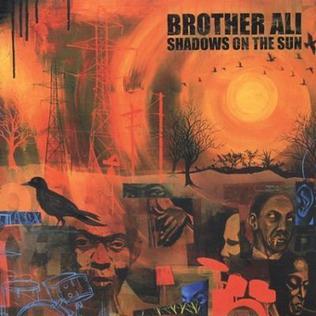
I always have a hard time reviewing hip-hop records, because there’s so much to them. You have the beats, the words, and a lot of scribbling into the void, and hope for someone to hear. That’s where I find myself in trying to review “Shadows on the Sun”. I find myself scribbling and trying to figure out how to paint a picture with a confident prowess, and yet, I fail. Brother Ali is one of those artists who receives a lot of acclaim, yet many people haven’t heard of him or his work. This blog probably won’t change that, but at least it can shine light on “Shadows on the Sun”.
“Shadows on the Sun” is the second studio album from Brother Ali, and with it, he presents a wealth of lyrical elements that are urgent, important, and speak volumes to the artist. It’s not just another hip hop record, mind you; it’s got a lot of different samples, moments of bliss, and can be bass-heavy at times. There’s a certain bravado to it, mind you, as a lot of rappers, but there’s also a conscious focus at times, similar to that of Talib Kweli.
“Shadows on the Sun” features 18 songs of what can only be stated as conscious hip hop. Brother Ali presents a diverse range of perspectives on life, without being preachy, which makes the record all the more urgent and critical. It’s a standout hip-hop record with over an hour of music to keep you engaged.
Favorite tracks: “Room With a View”, “Champion”, “Win Some Lose Some”
At this point, Frankenstein has been talked about to death. It’s much like Dracula, done to death. However, we now have a new version of it on Netflix, and I wanted to take a look. This review is more of an exercise in writing, as I won’t simply say it’s good or bad; instead, I’ll try to think a little more about it.
First and foremost, Frankenstein doesn’t focus on a monster story in the traditional horror sense. Often, we get the notion that science has gone wrong, but that’s not what we get regarding this movie. Instead, we are presented with the idea of father and son, a battle between creation and the creator, told through two narratives. There’s a sense of abandonment, identity, and the director doesn’t make the creation a “monster” that has no depth. The novel does this well, making you figure out who the real monster is and whether the creation is not to blame, but rather a more personal effect to be discovered.
You cannot go through the movie without applauding the set design. I loved the costumes and the visual elements, all of which help bring the story beyond the pages of the book or the screen, for that matter. Del Toro lavishly works through a tactile visual design flow, bringing Gothic horror to a new level. There is a great deal of attention paid to the gore, to the creation, the science, and the medical elements as well. There are emotional wounds that are visually represented, and perhaps that is scarier than the story alone.
One thing that I wanted to emphasize, and something I saw immediately, is that this is not a traditional horror movie. In fact, Del Toro himself said that Frankenstein is not a horror movie. It’s not going to get you to that place; although it can be horrific at times, it is not played out that way. I agree with that, it didn’t hit me with the horror mallet. Instead, it hit me with a dramatic focus on emotional drama that happens to have elements of Gothic storytelling and horror. The pivot is interesting because audiences are probably expecting something familiar, but instead, we get a saturated drama that focuses on human emotion more than the traditional notion of horror. The drama prompts you to think about monsters in a different light, and rather than fearing them, we strive to understand them. That depth makes this an outstanding film that is worth watching.
Haven’t read the book? What are you waiting for? Buy “Frankenstein” here, then watch the movie on Netflix.
2006 was an interesting year for me; I was living in Los Angeles and was in college. The Art Institute isn’t there anymore, but I’m glad that I went to college and even got a master’s, and along the way I’ve had many different soundtracks to push through, including Pigeon John’s fourth record, “And The Summertime Pool Party”. Released in 2006, the MC would solidify himself as a positive rapper with a lot of swagger, melody, and much more.
The record, like many hip-hop records, deserves more than just a skip to the prominent tracks. Pigeon John assembles a record that is not only cohesive but also hilarious at times, serious at others, and a slice of life that truly showcases the MC’s prowess. From the opening track, “Welcome To The Show”, to the last song, “Growin’ Old”, the record features a diverse range of music and melody that, while remaining true to hip hop with its rhymes, also filters through something else. There’s just a lot to dissect here, and it’s a fun summertime type of record, hence the name “And The Summertime Pool Party”.
Released in 2006, Pigeon John toured for the record, and I got to catch him in Seattle at a sold-out show with the likes of Ohmega Watts. This record is just fun; it features many standout tracks and flows exceptionally well. John’s lyrics range from personal struggles to storytelling about random things, and, of course, bravado, like any other lyricist. It’s positive, and that’s something that holds up well even after all of these years.
The year was 1999, and while I was still trying to figure out and navigate high school, the band Saves the Day put out what could be one of the more essential records in the history of emo, pop punk, or whatever you’re going to want to classify this record as. Once again, I’m going to turn to the definition that was placed in Rolling Stone Magazine, which cited “Through Being Cool” as being a pop punk record, one of their top ones at that.
The second record from Saves The Day would show them slowing down, even though their first record said they couldn’t. Instead of a melodic hardcore punk sound, the band opted for something a bit more pop-influenced, and it worked. “Through Being Cool” features song after song of catchy tunes that mesh well together. The record just fits, and it comes together in 12 songs, 33 minutes, and is somewhat magical the way it works out. I’m not just waxing poetic about the record; it really is one of those records that you couldn’t help but listen to on multiple occasions. “Through Being Cool” is a melodic, rocking pop punk track that holds up very well. The record appears on numerous top 10 lists and top 50 lists if you delve deeper into the genre. I, for one, love “Through Being Cool” and recommend it heavily as part of your music collection, if you don’t already have it. I’m preaching to the choir, I’m sure.
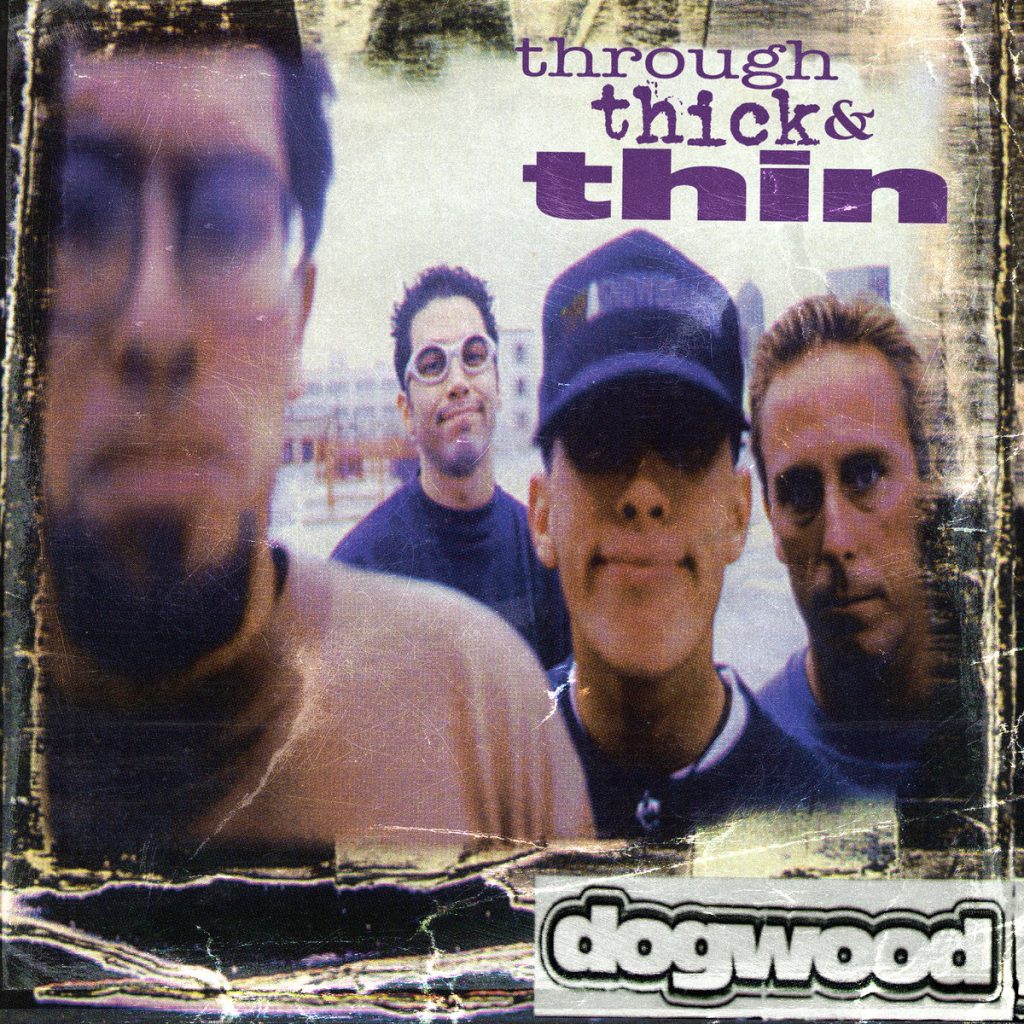
Christian music doesn’t always get the notice it should. Stamp the label on any record, and people automatically shun it. That’s a shame, because there are some excellent records out there that don’t get enough love, and one of them is none other than “Through Thick and Thin” by the band Dogwood. Dogwood is a San Diego, California band that put out a slew of records and toured the country with Payable on Death, Project 86, and Slick Shoes, just to name a few. With the sophomore record, the band tightened up and created a record that stands tall today.
The opening track, “All Hands on Deck,” is going to push you into the skate punk sound of “Through Thick and Thin”, then the band puts things into melodic punk with “Preschool Days” and follows through with track after track of skateboard-infused punk rock. I was enthralled when I first heard the second track and saw a video for it. I immediately made comparisons to NOFX because of the vocal stylings.
Those who are atheist, agnostic, non-religious, or just don’t want to get preached to shouldn’t have to worry too much. While “Through Thick and Thin” has a perspective that differs from yours, the music speaks for itself and is good overall. Every track is riddled with punk rock, and stylistically, it can be compared to many new school punk rock that came out in the mid to late 1990s.