Brother Ali “Shadows on the Sun” (2003) Review

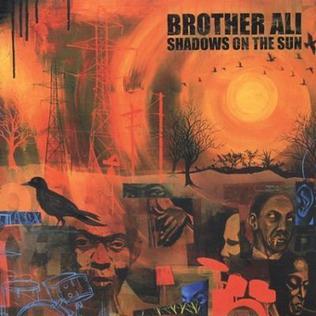
Brother Ali Shadows on the Sun

I always have a hard time reviewing hip-hop records, because there’s so much to them. You have the beats, the words, and a lot of scribbling into the void, and hope for someone to hear. That’s where I find myself in trying to review “Shadows on the Sun”. I find myself scribbling and trying to figure out how to paint a picture with a confident prowess, and yet, I fail. Brother Ali is one of those artists who receives a lot of acclaim, yet many people haven’t heard of him or his work. This blog probably won’t change that, but at least it can shine light on “Shadows on the Sun”.

“Shadows on the Sun” is the second studio album from Brother Ali, and with it, he presents a wealth of lyrical elements that are urgent, important, and speak volumes to the artist. It’s not just another hip hop record, mind you; it’s got a lot of different samples, moments of bliss, and can be bass-heavy at times. There’s a certain bravado to it, mind you, as a lot of rappers, but there’s also a conscious focus at times, similar to that of Talib Kweli.

“Shadows on the Sun” features 18 songs of what can only be stated as conscious hip hop. Brother Ali presents a diverse range of perspectives on life, without being preachy, which makes the record all the more urgent and critical. It’s a standout hip-hop record with over an hour of music to keep you engaged.

Favorite tracks: “Room With a View”, “Champion”, “Win Some Lose Some”

Pigeon John “And The Summertime Pool Party” (2006) Review

Pigeon John and the Summertime Pool Party CD Cover

2006 was an interesting year for me; I was living in Los Angeles and was in college. The Art Institute isn’t there anymore, but I’m glad that I went to college and even got a master’s, and along the way I’ve had many different soundtracks to push through, including Pigeon John’s fourth record, “And The Summertime Pool Party”. Released in 2006, the MC would solidify himself as a positive rapper with a lot of swagger, melody, and much more.

The record, like many hip-hop records, deserves more than just a skip to the prominent tracks. Pigeon John assembles a record that is not only cohesive but also hilarious at times, serious at others, and a slice of life that truly showcases the MC’s prowess. From the opening track, “Welcome To The Show”, to the last song, “Growin’ Old”, the record features a diverse range of music and melody that, while remaining true to hip hop with its rhymes, also filters through something else. There’s just a lot to dissect here, and it’s a fun summertime type of record, hence the name “And The Summertime Pool Party”.

Released in 2006, Pigeon John toured for the record, and I got to catch him in Seattle at a sold-out show with the likes of Ohmega Watts. This record is just fun; it features many standout tracks and flows exceptionally well. John’s lyrics range from personal struggles to storytelling about random things, and, of course, bravado, like any other lyricist. It’s positive, and that’s something that holds up well even after all of these years.

Favorite tracks: “Do The Pigeon”, “Freaks! Freaks!”, “I Lost My Job Again”

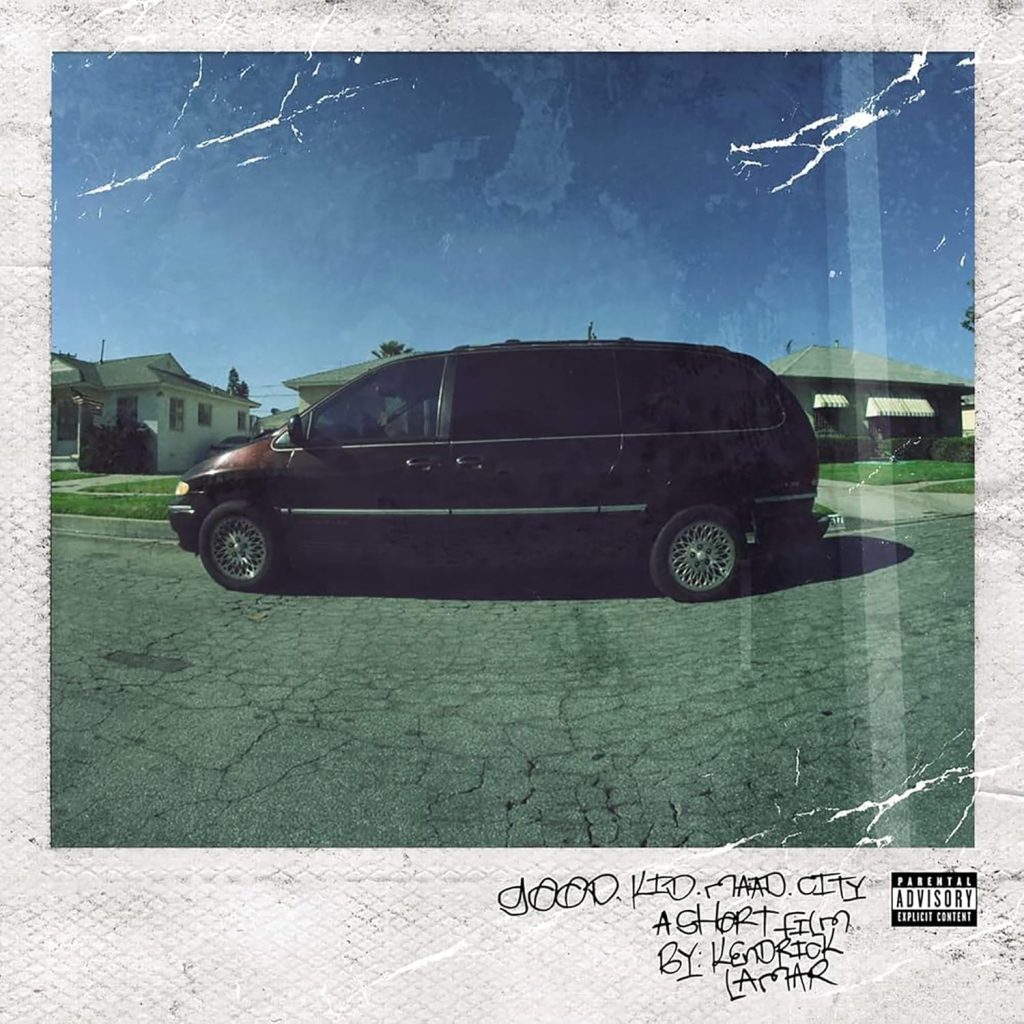
Kendrick Lamar “Good Kid, M.A.A.d city” (2012) Review

Kendrick Lamar “Good Kid, M.A.A.d city” (2012) Review

I was sitting in a cubicle in Los Angeles and overheard an argument about “Good Kid, M.A.A.d city”. One person said it was the best record of 2012, the other stated that there was something else, and I was just looking at escort ads. Cubicle land sucks unless you have headphones and an endless stream of music or comedy. I have always been lucky to be able to wear headphones, and that’s where I think Kendrick Lamar’s sophomore record is best heard. It’s a subdued record with many calming beats, interesting rhyme schemes, and something for every type of hip hop fan.

“Good Kid, M.A.A.d city” is a record you can’t just listen to and skip tracks. It’s a recording that requires you to sit still, put on headphones, and drift off into what the MC is saying. He’s telling stories from the hood, but it is not glorified at times, and it is not as gritty as some of the earlier 1990s hip hop that ran the gamut of offensive material. That’s not to say that there’s no street cred here, as it was produced in large part by Dr. Dre. You get a mix of styles, beats, and an eclectic blend of hip-hop tunes. It’s a solid release that I happen to go back to a great deal, even with a decade between us. I hope I don’t die in a cubicle job.

Talib Kweli “Quality” (2002) Review

Talib Kweli thinking and just sitting around

An hour and five minutes of hip-hop is what you get when you decide to put on the debut studio record from Talib Kweli. Starting things off on “Quality” is Dave Chappelle, keynote speaker, who tells a random story with a cool soothing beat. Then, we are treated to Kweli’s rhymes. Forget what you know about the popular hip hop you’ve heard in the present, because this isn’t mumbling, it isn’t street or gangster, it’s a bit more conscious. Talib has stories to tell, from various circles of his views, and other topics that you would expect from rap’s heaviest hitters.

“Quality” is just that, it’s clarity of sound, clear vocals, clean lines, and choruses that will have you floored at times. There’s a lot to unpack from this record, and something for everyone. Whether you’re a college student trying to just mellow out with background music or you’re a hip-hop head that wants to revisit some of the best in the business, you’ll find that “Quality” features something for everyone. It has a sensibility, an honesty in the lyrical development, and an optimism, as Pitchfork magazine put it. It’s a reflection of an artist who is not just about bravado but is also a storyteller with a focus on political affirmation, social studies, and street-wise knowledge. Production from Kanye West and others makes this a must-listen to record, twenty-something years after it was initially released.

In the mood to stream or perhaps spin a vinyl? Click here and pick up this gem.